



Common Injuries After a Fall: When to Get Help
A fall can cause a sprain, a broken bone, or a head injury. You can’t reliably tell how serious an injury is just by looking at it. Get medical advice about your symptoms, and call 911 for emergency warning signs. Your health comes before photos, reports, or an insurance claim.
Maybe you got up quickly because people were watching. Maybe you thought you could finish shopping and get on with your day. Now your wrist hurts when you lift a bag, or you’re worried about standing through a full shift. Those concerns are worth explaining to a healthcare professional.
This guide covers injuries that may follow a fall, signs that need urgent help, and simple records that can help you explain what happened. It cannot diagnose an injury or replace medical care.
When to get emergency help
After a possible head injury, call 911 or go to an emergency department for a worsening headache that won’t go away, repeated vomiting, seizures, weakness, slurred speech, unusual confusion, or trouble waking up. The CDC lists these and other concussion danger signs.
Severe bleeding, a bone through the skin, or a suspected injury to the spine or hip also needs emergency attention. If someone may have a neck or back injury, avoid moving them unnecessarily and follow the emergency dispatcher’s instructions. Don’t try to straighten an injured limb or test whether it can take weight. MedlinePlus explains fracture warning signs and first aid.
Injuries that can happen in a slip and fall
Sprains and strains
A sprain affects a ligament, which connects bones at a joint. A strain affects a muscle or tendon. A sudden twist can leave you with pain, swelling, and difficulty moving. An ankle or wrist injury may make ordinary tasks, like walking to the bus or carrying groceries, much harder. MedlinePlus describes the difference between sprains and strains.
A clinician can assess the injury and recommend care. Don’t assume that swelling means it’s “just a sprain,” or use this article to decide whether you need an X-ray.
Broken bones
A fracture means a bone has cracked or broken. Pain, swelling, an unusual shape, numbness, or difficulty moving or bearing weight can be warning signs. Some symptoms overlap with other injuries, so an examination matters. A fall can interrupt work and daily life even when there is no obvious wound.
Head injuries and concussion
After a bump or jolt, symptoms can include headache, dizziness, nausea, trouble concentrating, or changes in sleep. Some concussion symptoms appear later rather than immediately. Tell a healthcare professional about the fall and any new symptoms, even if you initially thought you were okay. Use the emergency guidance above for danger signs.
Back pain and other painful areas
Tell the clinician about every area that hurts, including your back, neck, knee, or shoulder. Describe how you landed and what you could do before the fall compared with now. A symptom is something to assess, not a diagnosis. Let your healthcare team decide what examinations, treatment, or restrictions are appropriate.
What to tell the doctor
You don’t need medical vocabulary. Plain details help:
- When and where you fell, and how you landed.
- Whether you hit your head, felt dizzy, or lost consciousness.
- What hurt right away and what changed afterward.
- Relevant past injuries, medical conditions, and medicines.
- Which everyday tasks or parts of your job have become difficult.
Follow the care plan and ask what symptoms should make you call back or seek urgent help. If transportation, cost, or your work schedule makes follow-up difficult, tell the provider. Ask about available options instead of quietly missing appointments.
Keep a simple record while you recover
Save visit summaries, prescriptions, bills, and written work restrictions. Keep track of missed shifts and out-of-pocket expenses. A brief dated note can describe practical changes: needing help getting dressed, missing an appointment, or being unable to carry something you normally would.
Be accurate. Don’t exaggerate pain or leave out an earlier injury. Your medical records and an honest account help an attorney understand what changed after the fall. They do not, by themselves, prove that another person or business is legally responsible.
How does an injury relate to a slip and fall claim?
A legal review looks at both the injury and why the fall happened. It may involve the condition of the property, who was responsible for it, photos, witnesses, and other evidence. An injury does not automatically mean the property owner must pay.
For certain spills in a business, Florida law requires proof that the business knew or should have known about the dangerous condition and should have taken action. Other kinds of falls may involve different rules.
Our Miami slip and fall lawyers can review the circumstances. If the accident happened while shopping, our store and supermarket fall page explains the evidence that may matter.
Questions people ask after a fall
Can symptoms show up after I leave the store?
Some symptoms, including concussion symptoms, can appear later. Tell a healthcare professional when they started and how they have changed. Don’t wait for an insurance decision before seeking care.
What if I already had pain before the accident?
Explain your earlier symptoms and what is different now to your clinician and attorney. A prior problem does not answer every question about a new injury. Medical history and an individual legal review are important.
Should I take photos before getting help?
No. Get the care you need first. If it’s safe, a friend or family member may help save details about the scene. You do not need a complete file before asking the firm about your options.
Help with the legal questions, in English or Spanish
When you’re dealing with treatment and missed pay, the paperwork can feel like another job. Mario Serralta & Associates helps people in the Miami area understand possible injury claims. Request a free consultation or read what to bring to your first injury consultation.
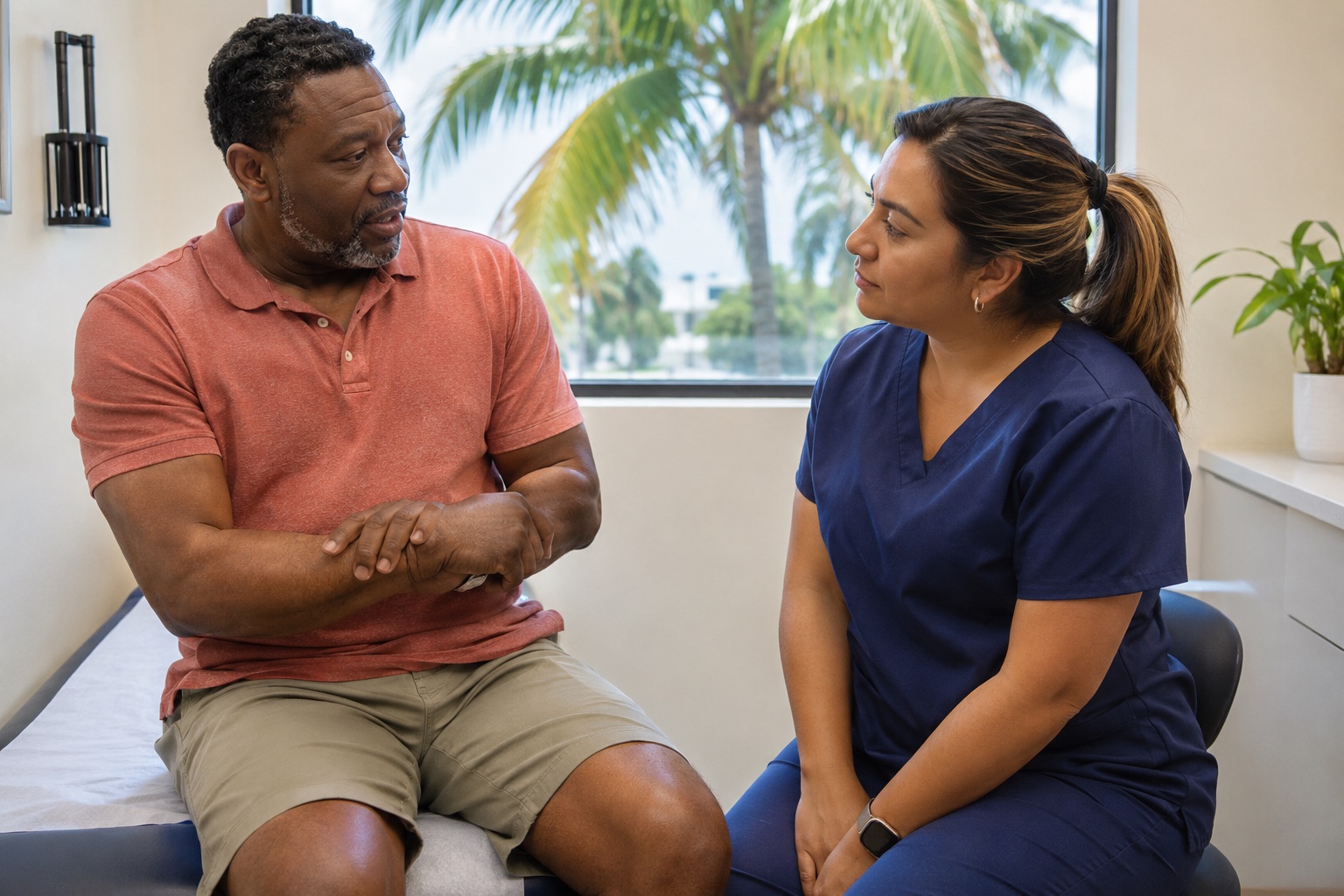
This is general medical and legal information, not a diagnosis or advice about a specific case. The featured image is an AI-generated illustration, not an actual patient or client.