



What to Do After a Fall in a Miami Business
If you fall in a Miami business, put your health first. Get medical help, tell the manager what happened, and save photos and witness details if you can do so safely. Keep your receipts, shoes, and medical paperwork. A fall does not automatically make the business responsible, but those details can help explain what happened.
One minute you’re picking up groceries or meeting someone for lunch. The next, you’re on the floor, embarrassed, hurting, and wondering whether you can get through your next shift. You don’t need to figure out the whole legal process right there. Start with the steps you can manage.
Five things to do after a fall in a business
1. Get help before worrying about paperwork
Call 911 if there is an emergency. Otherwise, arrange a medical evaluation and explain how you fell and what hurts. Follow the clinician’s instructions. Don’t delay care to take pictures or finish an incident report.
If someone is with you, ask them to help with the practical details while you get care. Keep the discharge instructions, prescriptions, and bills together, even if you only have a folder or photos on your phone.
2. Tell the manager and ask for a report
Give the date, approximate time, and exact place inside the business. Describe what you actually saw: water near a refrigerator, a raised mat, or an object in the walkway, for example. Don’t guess who caused it or how long it was there.
Ask whether an incident report can be made and whether you can have a copy or reference number. If no copy is provided, write down whom you spoke with and when. Read anything you’re asked to sign, and ask about language you don’t understand.
3. Save pictures of the area, if it’s safe
A close photo can show the problem. A wider photo can show where it was, the lighting, nearby signs, and the path you were taking. If you’re injured, let someone else help. Never return to a dangerous area just to get a picture.
Keep the original files. Don’t edit them to make a spill or injury look different. Photos of any warning sign, including where it was placed, can be useful too.
4. Ask witnesses how to reach them
If someone saw the fall, politely ask for their name and contact details. Write down any comments you remember from employees, keeping their words separate from your own conclusions. A witness may remember something you couldn’t see while you were falling.
5. Keep a simple record of what happens afterward
Save receipts, messages from the business or insurer, medical records, and information about missed work. Keep the shoes and clothing you wore. A short dated note about appointments, work restrictions, and help you needed at home is easier to follow than trying to remember everything weeks later.
Does the business have to pay because I fell there?
No. The cause of the fall, the business’s responsibilities, and the evidence all matter. For a slip on a temporary substance such as spilled liquid or food, Florida Statute 768.0755 requires proof that the business knew or should have known about the danger and should have acted to fix it. Evidence that the condition lasted long enough to be discovered, or happened regularly, may help establish that knowledge.
There isn’t one number of minutes that settles every spill case. Other hazards, such as a broken step, can involve a different analysis. Our Miami slip and fall attorneys can review the circumstances and explain what information may be needed. For shopping-related falls, see our page about falls in stores and supermarkets.
What evidence may help?
- The incident report: when and where the business was told about the accident.
- Photos and witness accounts: what the area looked like and what people observed.
- Security video: what happened before, during, and after the fall, if footage exists.
- Inspection and cleaning records: information about maintenance and awareness of the hazard.
- Medical and work records: the injuries, treatment, restrictions, and financial losses.
Tell your lawyer promptly about any cameras you noticed. Recordings may be overwritten. A lawyer can consider a preservation request, but a request does not guarantee that video exists or will be handed over immediately.
What if I’m missing a report or the store blames me?
Not having a report does not automatically end a possible claim. Tell the attorney what happened and what you still have. A receipt, a message sent that day, or a witness’s contact information may be worth reviewing.
Shared fault can affect compensation. In negligence cases covered by Florida Statute 768.81, a person’s share of fault can reduce recovery; being more than 50% responsible can bar recovery. How the law applies needs an individual review. A business saying the fall was your fault is not the same as a court deciding it.
How long do I have to take legal action?
Florida law generally gives two years for negligence lawsuits under Statute 95.11. The accident date, when the claim arose, and exceptions or special requirements can change the analysis. Ask an attorney to confirm your actual deadline promptly. Reporting the fall or talking with an insurance adjuster is not the same as filing a lawsuit.
Questions people ask after a business fall
Does a wet-floor sign mean I don’t have a case?
Not automatically. Where the sign was, whether it was visible, and the hazard itself matter. Save any photos you have and let an attorney review the circumstances.
Should I accept money from the insurer right away?
Understand what the offer covers and what claims a release would close before agreeing. Medical needs and missed income may still be uncertain. Bring the offer and any release to your consultation.
What should I bring to a consultation?
Bring the accident date and address, photos, witness contacts, any report, insurance messages, and medical paperwork you already have. You don’t have to collect everything before reaching out. Our guide to your first injury consultation explains what to expect.
Talk through your options with our Miami team
Mario Serralta & Associates helps injured people across the Miami area from its Miami Lakes office. You can learn about Mario and the firm, or request a free consultation in English or Spanish. Tell us what happened, what hurts, and what you’re worried about. We’ll help you understand the next steps for your situation.
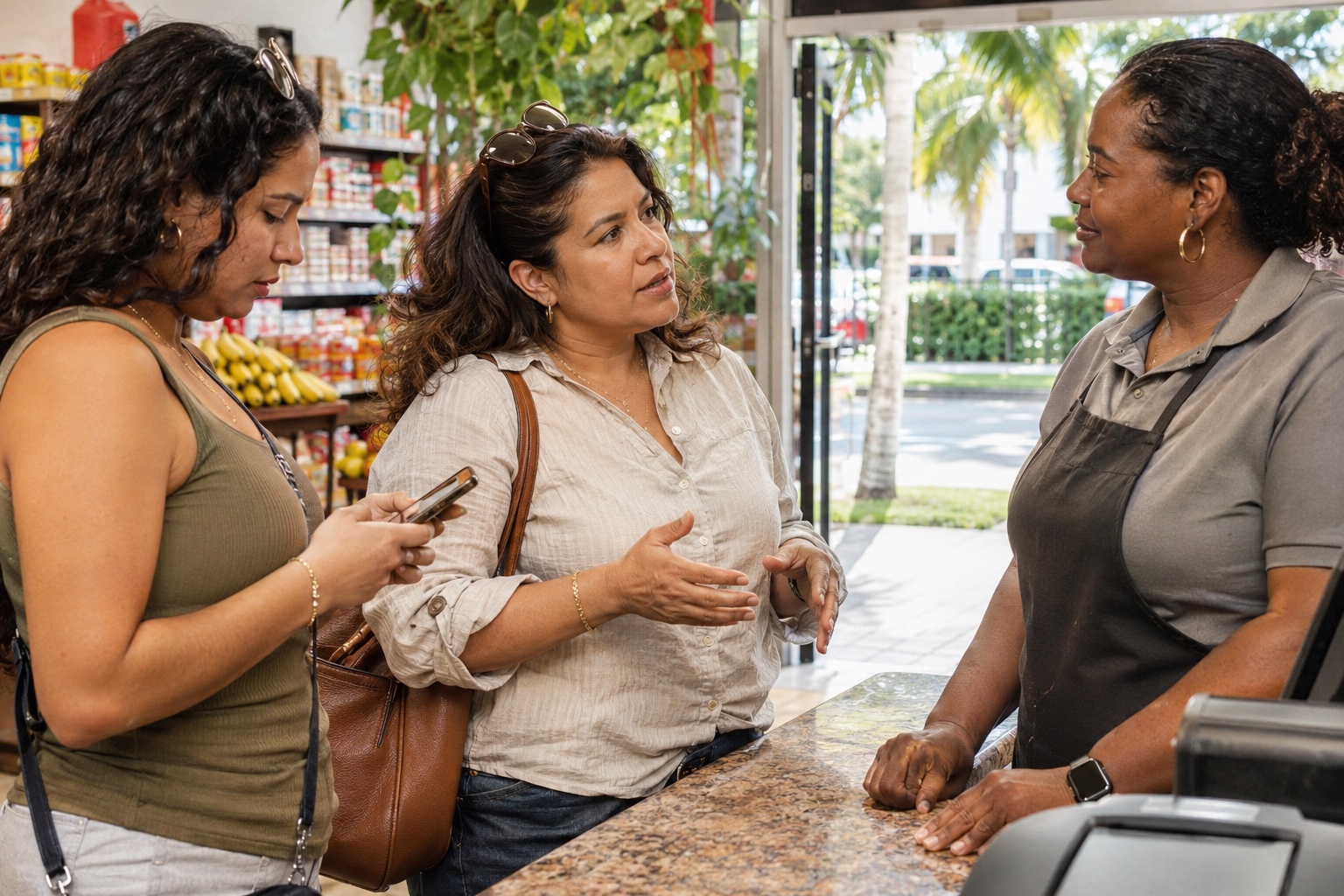
This is general information, not advice about a specific case. The featured image is an AI-generated illustration, not an actual client or accident.